




Astro Teller isn’t hesitant to shut down ideas here’s the reason behind it.
Astro Teller, Captain of Moonshots at Alphabet’s X, deliberately kills 98% of ideas early in the process, maintaining that
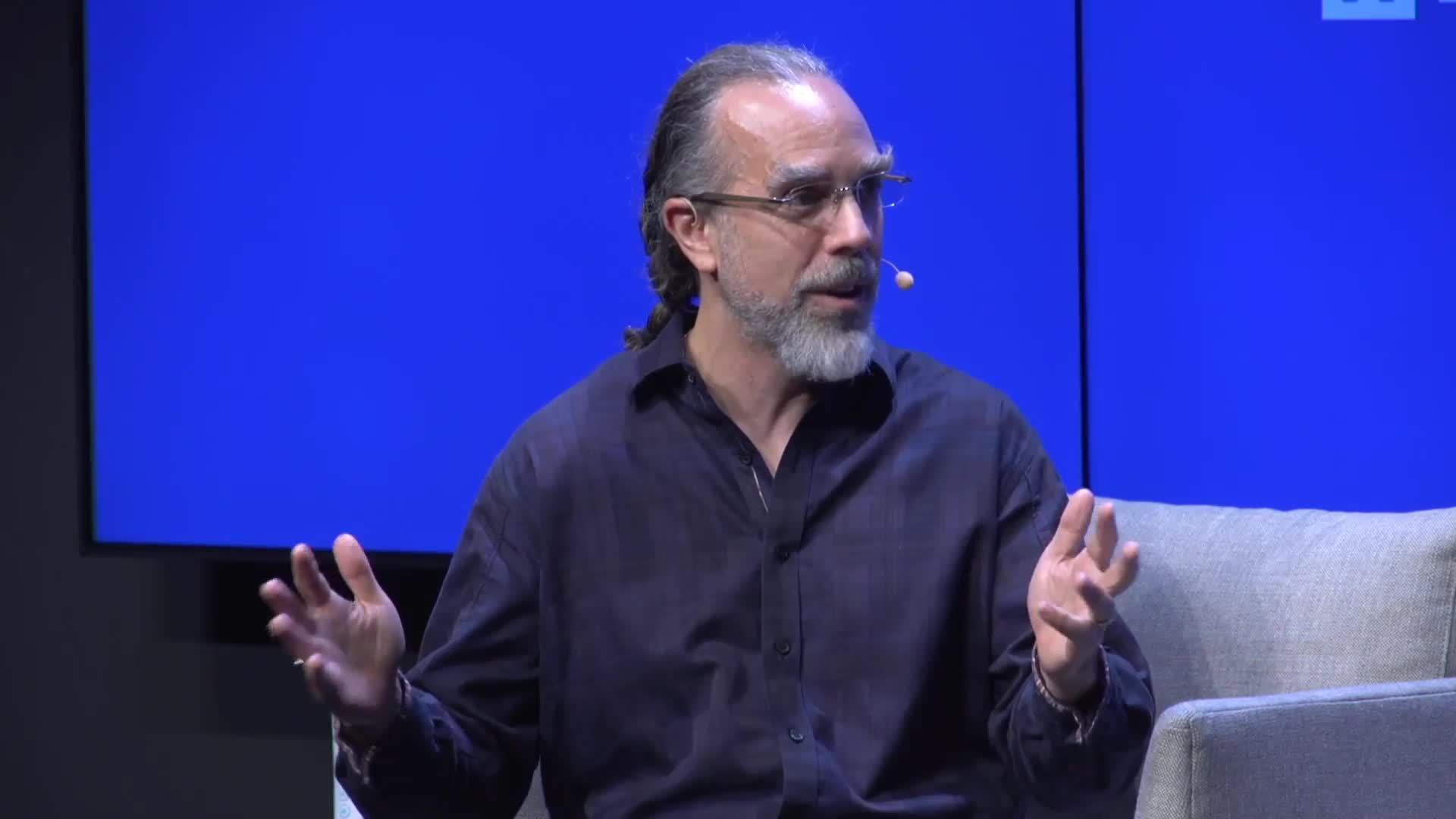
Astro Teller, Captain of Moonshots at Alphabet’s X, deliberately kills 98% of ideas early in the process, maintaining that X has a 2% success rate by design. Rather than viewing this as a problem, Teller celebrates it as the core of X’s innovation strategy. X starts more than 100 things every year, and while only 2% make it to exit five or six years later, 44% of all the money the company spends goes to projects that graduate and are “outrageously good” because X kills all the bad ideas early. Teams run “pre-mortems” where they vote to kill their own ideas before investing too much time and resources, and when they successfully kill a project, they are celebrated and rewarded by the organization. This counterintuitive approach prevents the sunk-cost fallacy that plagues traditional innovation pipelines, where teams become emotionally attached to failing projects.
Attacking the Hardest Problems First
Teller’s team has developed a unique approach that starts with trying to prove that whatever you’re trying to do can’t be done—essentially trying to kill your own idea by asking “What is the most likely reason this project won’t make it?” The moonshot factory deliberately pursues ideas that seem improbable, blending breakthrough technology with radical solutions to massive problems, prioritizing societal impact over short-term profits. Teller was beaming with pride when describing how a team recently came to him with an hours-long presentation explaining why their project should be shut down after years of work, stating “It was the right thing to do. The team suggested it. We’re super proud of them for ending their own project.” This philosophy requires what Teller calls equal amounts of audacity and humility—audacity to start unlikely journeys, but humility to recognize when those journeys aren’t working before going too far down the wrong path.
Efficient Resource Allocation Through Rapid Elimination
If people, money, and time are your most scarce resources, you don’t want to waste them on ideas that won’t work, which is why X focuses on constantly asking “How are we going to kill our project today?” By Teller’s count, X has evaluated some 2,000 potential moonshots over 15 years, with budgets kept deliberately low and teams expected to kill their ideas as fast as possible using the cheapest and fastest methods to verify whether an opportunity is worth pursuing. This approach has yielded notable successes like Waymo, Wing, and Verily, while projects like automated vertical farming and Project Loon were shut down when teams couldn’t solve fundamental viability issues. Teller emphasizes that people can learn innovation, noting that everyone was creative as children but we unlearn things that are useful and maybe even necessary for radical innovation. By creating a culture where saying laughable things is encouraged and killing ideas is rewarded, X has built a sustainable factory for breakthrough innovation that accepts failure not as a setback, but as the primary mechanism for discovering what actually works.