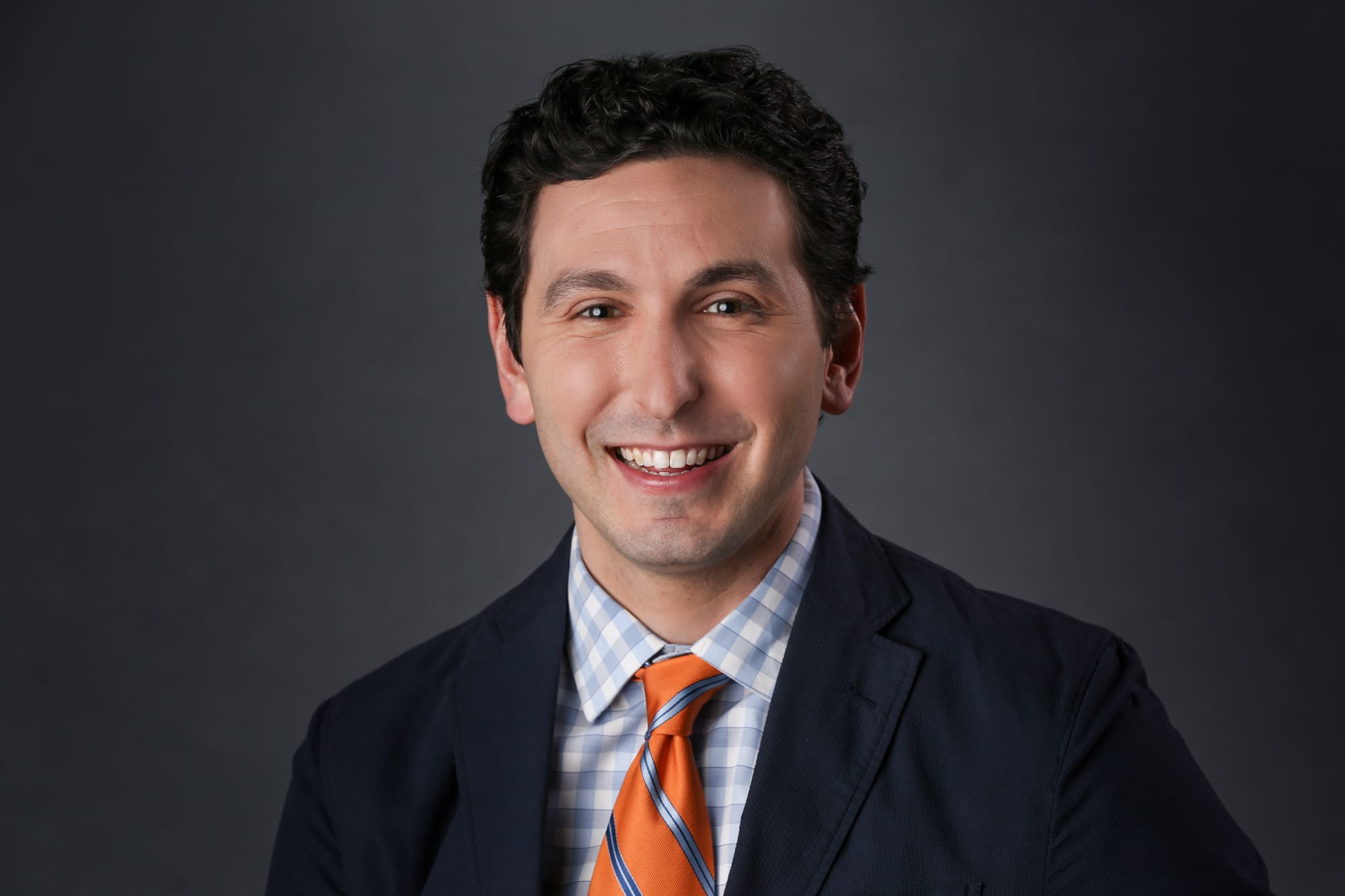

Tim Cook CEO of Apple
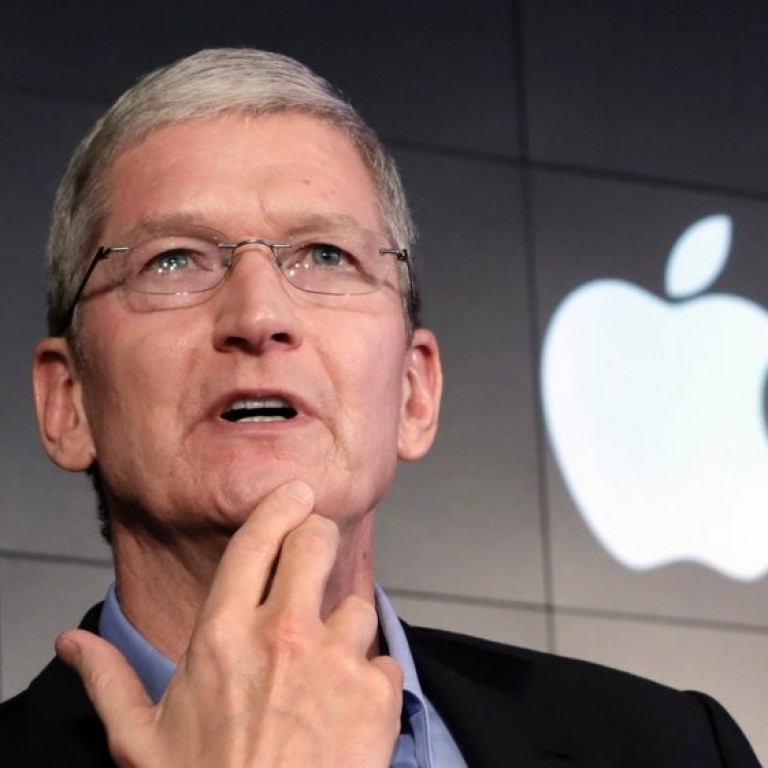
Timothy Donald Cook is the CEO of Apple Inc., the world’s most valuable technology company. Since taking the helm
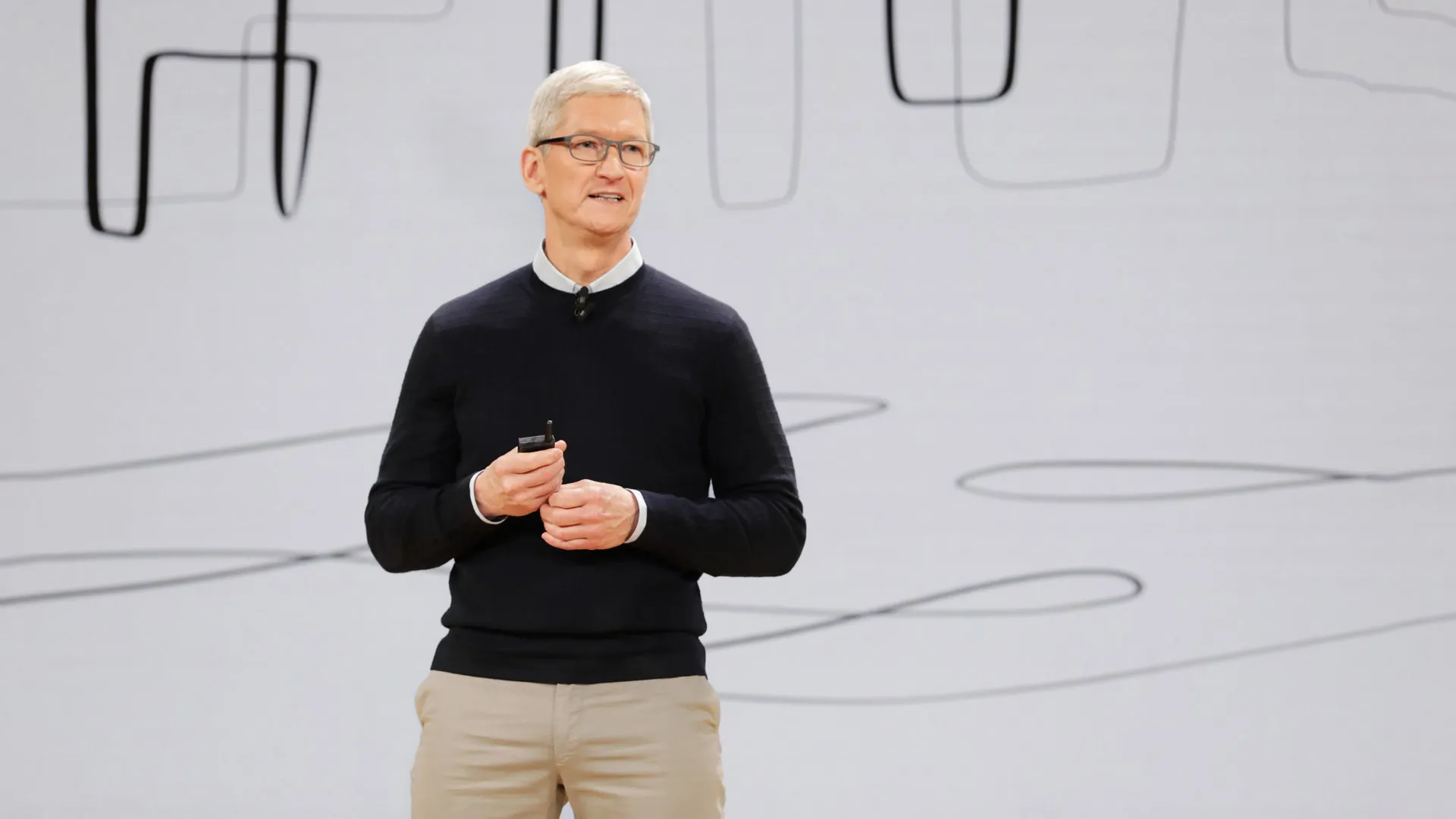
Timothy Donald Cook is the CEO of Apple Inc., the world’s most valuable technology company. Since taking the helm in 2011, Cook doubled the company’s revenue and profit, and the company’s market value increased from $348 billion to over $3 trillion, making him one of the most successful business leaders of the 21st century. His journey from a small Alabama town to leading one of the world’s most iconic companies is a story of intuition, operational excellence, and quiet leadership.
Early Life and Education
Timothy Donald Cook was born on November 1, 1960, in Mobile, Alabama. He grew up in nearby Robertsdale, a small town where his father, Donald, worked in a shipyard, and his mother, Geraldine, worked at a pharmacy. Cook was raised in a Baptist household and grew up witnessing racial discrimination in the Deep South, experiences that would later shape his values around civil rights and equality.
Cook started working at the young age of 12, waking up at 3 a.m. to deliver newspapers to begin saving money for college. He also worked part-time at a local pharmacy. Cook excelled academically at Robertsdale High School, graduating second in his class in 1978 and being named the most studious student.
Cook graduated from Auburn University in Alabama with a bachelor’s degree in industrial engineering in 1982, becoming the first member of his family to attend college. “Throwing papers helped start my college education,” Cook later said, reflecting on how those early jobs made his higher education possible. At Auburn, he was awarded the Smyth Prize for achieving the highest grades in mathematics courses.
In 1988, he received an MBA from Duke University in Durham, North Carolina, where he became a Fuqua Scholar, a distinction given to the top 10 percent of the class.
The IBM Years: Building Operational Expertise
After graduating from Auburn in 1982, Cook spent twelve years in IBM’s personal computer business, ultimately as director of North American fulfillment. He joined IBM when the PC division was still relatively new, even before Microsoft Windows became mainstream.
During his 12-year stint at IBM, Cook moved up the ranks to become the North American fulfilment director, managing the manufacturing and distribution functions for IBM’s Personal Computer Company for the North and Latin Americas. While at IBM, he simultaneously earned his MBA from Duke, demonstrating his drive and commitment to professional development.
This period at IBM was crucial in developing Cook’s expertise in supply chain management and operations—skills that would later transform Apple. He learned how to manage complex manufacturing and distribution networks across multiple continents, knowledge that would prove invaluable in his future role.
Intelligent Electronics and Compaq: Rising Through the Ranks
In 1994, Cook became the chief operating officer of the Reseller Division at Intelligent Electronics, gaining experience in the retail side of the computer business. He spent three years in this role before moving on.
In 1997, he became the vice president for corporate materials at Compaq, one of the hottest PC manufacturers of the era. At Compaq, Cook was responsible for procuring and managing the company’s extensive product inventory. By all rational measures, Compaq was a safe, lucrative position with a bright future.
The Fateful Decision: Joining Apple
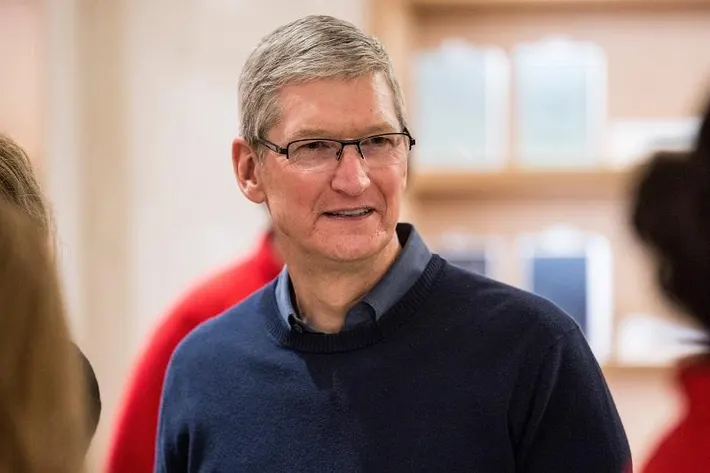
In 1998, Steve Jobs made a call that would change both his and Cook’s lives. Jobs, who had recently returned to Apple, was looking for someone to overhaul the company’s chaotic operations. He found that person in Tim Cook.
Cook joined Apple in March 1998 as a senior vice president for worldwide operations, but the decision was far from easy. At the time, Apple was on the brink of extinction, losing money and market share. Michael Dell had famously said that if he were in Jobs’ shoes, he’d shut down Apple and give the money back to shareholders.
In a 2010 commencement speech at Auburn University, Cook explained his decision: “Any purely rational consideration of cost and benefits lined up in Compaq’s favor, and the people who knew me best advised me to stay at Compaq… On that day in early 1998, I listened to my intuition, not the left side of my brain or for that matter even the people who knew me best… no more than five minutes into my initial interview with Steve, I wanted to throw caution and logic to the wind and join Apple. My intuition already knew that joining Apple was a once-in-a-lifetime opportunity to work for the creative genius and to be on the executive team that could resurrect a great American company.”
Transforming Apple’s Operations
Cook’s impact on Apple was immediate and profound. His first position was senior vice president for worldwide operations. Cook closed factories and warehouses, and replaced them with contract manufacturers; this resulted in a reduction of the company’s inventory from months to days.
Cook moved the manufacture of Apple products away from its own factories to outside contractors, characterizing inventory as “fundamentally evil” and comparing Apple to a dairy, in that products should be sold while they were fresh. He reduced inventory turnover time from months to just days, creating one of the most efficient supply chains in corporate history.
Predicting its importance, his group had invested in long-term deals such as advance investment in flash memory since 2005. This foresight ensured Apple had a stable supply of crucial components for products like the iPod Nano, iPad, and iPhone, giving the company a competitive advantage.
In 2000, Cook became senior vice president of worldwide operations, sales, and support. In 2002, he was promoted to executive vice president of worldwide operations and sales. In 2005, he became chief operating officer, cementing his position as Jobs’ right-hand man.
Stepping In During Crisis
Cook’s reliability and competence became evident during Jobs’ health struggles. He served as interim CEO three separate times:
- 2004: When Jobs took medical leave for surgery to treat pancreatic cancer
- 2009: When Jobs underwent a liver transplant
- January 2011: When Apple’s board of directors approved a third medical leave of absence requested by Jobs, Cook was responsible for most of Apple’s day-to-day operations, while Jobs made most major decisions.
Each time, Cook kept Apple running smoothly, earning the trust of the board and proving he could lead the company.
Becoming CEO A Giant’s Shadow
After Jobs resigned as CEO and became chairman of the board, Cook was named the new chief executive officer of Apple on August 24, 2011. Six weeks later, on October 5, 2011, Jobs died due to complications from pancreatic cancer.
The pressure on Cook was immense. Could he possibly fill the shoes of Steve Jobs, one of the most visionary leaders in business history? Many doubted him. Some analysts compared him to Steve Ballmer at Microsoft, suggesting that innovation would die under his operational leadership.
But Cook was determined to be himself, not a Jobs clone. “He took a lot of unfair criticism early on… The outside world wanted to compare him to Steve.” But Cook “wasn’t going to try to be Steve,” and “what a smart thing, because no one could be Steve… Instead Tim, was Tim.”
The Cook Era: Growth and Transformation
Under Cook’s leadership, Apple has achieved extraordinary success:
Financial Performance:
- Apple’s market value soared from $350 billion in 2011 to more than $3.9 trillion, becoming the first U.S. company to achieve a $1 trillion market capitalization in 2018, doubling that figure in 2020 and tripling it just three years later.
- Apple’s revenue grew to $391 billion for fiscal year 2024, up from $108.25 billion in 2011.
- Since Cook took over, Apple’s stock has delivered returns exceeding 1,800 percent, not counting dividends.
Product Innovation: Cook’s tenure has seen Apple revolutionize its product lineup, driving profound advancements for iPhone, Mac, and iPad, and introducing industry-leading devices such as Apple Watch, AirPods, and Apple Vision Pro. His leadership also expanded the Apple ecosystem, launching services like Apple Music, Apple Pay, and Apple TV+. Furthermore, Cook spearheaded Apple’s groundbreaking transition to its own silicon production, setting new standards for performance and efficiency.
Services Revolution: In fiscal 2012, Apple’s Services line generated about $15 billion in revenue. In 2024, it was $68 billion, with Services product margin at 75 percent versus 35 percent for products. This shift to high-margin services has been a signature achievement of Cook’s tenure.
Leadership Style: A Different Approach
Cook’s management style contrasts sharply with Jobs’ famous micromanagement and mercurial temperament. Since becoming CEO, Cook has replaced Jobs’ micromanagement with a more liberal style and implemented a collaborative culture at Apple.
Cook is known for his intense work ethic, reportedly sending emails at 4:30 a.m. and previously holding Sunday evening staff meetings to prepare for the week ahead. He’s a fitness enthusiast who values hiking, cycling, and going to the gym.
In May 2013, Cook shared that his leadership focused on people, strategy, and execution; he explained, “If you get those three right the world is a great place.”
Corporate Values and Advocacy
Under Cook’s leadership, Apple has become far more socially conscious than during the Jobs era:
Privacy and Security: Cook has been a vocal advocate for user privacy, famously refusing FBI requests to create a backdoor into iPhones and pushing back against government surveillance.
Environmental Commitment: Cook led Apple to commit to carbon neutrality across its entire business by 2030 and has emphasised the importance of protecting user data against unauthorised access. In 2013, he hired Lisa Jackson, formerly the head of the Environmental Protection Agency, to assist Apple with the development of its renewable energy activities.
Diversity and Inclusion: In June 2014, Cook attended San Francisco’s gay pride parade along with a delegation of Apple staff. A few months later, Cook publicly came out as gay in an editorial for Bloomberg Business, saying, “I’m proud to be gay, and I consider being gay among the greatest gifts God has given me.”
Cook ended his op-ed by writing, “We pave the sunlit path toward justice together, brick by brick.” His decision to come out made him the first and only CEO of a Fortune 500 company to be openly gay at the time, a courageous move that inspired countless people struggling with their identity.
Philanthropy: Unlike Jobs, who showed little interest in corporate giving, Cook increased Apple’s donations to charity and introduced an employee matching program that has donated over $150 million to organizations worldwide.
Personal Philanthropy and Values
Cook announced he will pay for his nephew’s college education, then donate the rest of his wealth to philanthropic projects, pledging to give away his entire fortune to charity. While he announced in 2015 that he planned to sign the Giving Pledge, he has maintained a low profile about his specific donations.
Known causes Cook supports include:
- LGBTQ+ rights (Human Rights Campaign, Project One America)
- Civil rights (Southern Poverty Law Center, though controversial)
- Environmental causes (Amazon rainforest fires, California housing crisis)
- AIDS research and prevention
- Education initiatives
Cook’s philanthropy reflects his Alabama roots and personal experiences. He was misdiagnosed with multiple sclerosis in 1996, an incident he said made him “see the world in a different way.” He has since participated in charity fundraising, including cycle races to raise money for the disease.
Navigating Global Challenges
Cook has proven to be a skilled diplomat and negotiator, particularly in managing Apple’s complex relationship with China and navigating U.S.-China tensions. He diversified Apple’s supply chain into India and Vietnam while maintaining crucial manufacturing partnerships in China.
On August 6, 2025, Cook visited Donald Trump at the White House, presenting him with a glass plaque set in a 24-karat gold base made from American materials. Cook announced an additional $100 billion in U.S. investments, bringing Apple’s total commitment to $600 billion, as part of the company’s strategy to align with Trump’s “America First” policies and avoid potential tariffs on semiconductors.
Recent Recognition and Future
Cook earned $74.6 million in 2024, up from $63.2 million in 2023, though this was down from $99 million in 2022 after he and the board agreed to reduce his compensation.
In 2024, Yale’s Chief Executive Leadership Institute honored Cook with the Yale Legend in Leadership Award, recognizing his transformational impact on Apple and the broader technology industry.
Recent reports suggest Apple is ramping up succession planning, though Cook continues to lead the company actively. Looking ahead, Cook envisions Apple continuing to lead in innovation, particularly in areas like augmented reality, health technology and AI.
Personal Life
Cook is intensely private about his personal life. He is not married and has no children, though he is deeply devoted to his nephew. Cook is a fitness enthusiast and enjoys hiking, cycling, and going to the gym. He is known for being solitary, using an off-campus fitness center for privacy.
Outside of Apple, Cook has sat on the board of directors of Nike since 2005. He also sits on the board of the National Football Foundation and is a trustee of Duke University, his alma mater.
As of July 2025, his net worth is estimated at $2.4 billion, according to Forbes.
Legacy and Impact
Tim Cook’s journey from delivering newspapers at 3 a.m. in rural Alabama to leading the world’s most valuable company is a testament to the power of operational excellence, ethical leadership, and trusting one’s intuition.
While he may lack Jobs’ showmanship and visionary flair, Cook has proven that disciplined execution, collaborative culture, and values-driven leadership can drive extraordinary success. He transformed Apple from a product company into a services powerhouse, navigated global supply chain challenges, championed privacy and environmental causes, and became a role model for LGBTQ+ leaders worldwide.
Cook’s greatest achievement may be proving that you don’t need to be Steve Jobs to succeed Steve Jobs. By being authentically himself—methodical, values-driven, and operationally brilliant—he has not only preserved Jobs’ legacy but built upon it, creating an Apple that is larger, more profitable, and more socially conscious than ever before.
As he once told Auburn graduates about his decision to join Apple: “I am where I am in life because my parents sacrificed more than they should have. Because of teachers, professors, friends and mentors who cared more than they had to. And because of Steve Jobs and Apple who have provided me the opportunity to engage in truly meaningful work.”