




Google plans to boost its AI efforts by advancing the executive who oversaw its data-center systems.
Google promoting an executive who managed data-center systems to boost AI efforts.Google has elevated Amin Vahdat to a newly
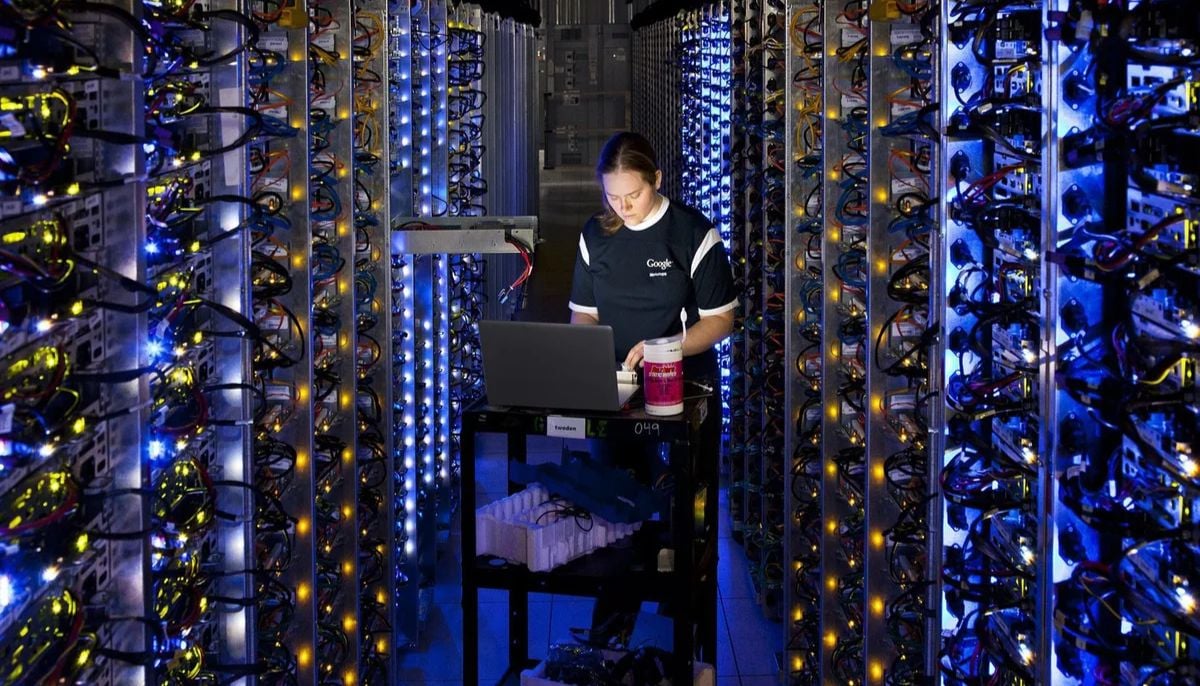
Google promoting an executive who managed data-center systems to boost AI efforts.Google has elevated Amin Vahdat to a newly created position of chief technologist for AI infrastructure, making him one of just 15 to 20 executives reporting directly to CEO Sundar Pichai. The promotion signals Google’s strategic prioritization of infrastructure capabilities as the company expects to spend over $90 billion on capital expenditures by the end of 2025, with most of that investment directed toward the AI infrastructure Vahdat will now oversee. Google Cloud CEO Thomas Kurian announced in an internal memo that the move establishes AI infrastructure as a key focus area for the company, underscoring how critical data center operations have become in the intensifying competition with rivals like OpenAI and Microsoft in the AI race.
Vahdat has quietly built Google’s AI backbone over the past 15 years, orchestrating essential but unglamorous work including custom TPU chips for AI training, the Jupiter network enabling massive internal data transfers, and the Borg cluster management system that coordinates work across data centers. His 2022 blog post detailing the transformation of Google’s Jupiter network received little attention at the time but proved crucial for the AI race, where data center interconnects have become a key bottleneck as frontier models require huge amounts of data passed between processors. Before joining Google in 2010, Vahdat was a research intern at Xerox PARC in the early 1990s and later worked as a professor at Duke University and UC San Diego, focusing research on making computers work efficiently at massive scale. His academic credentials include approximately 395 published papers and a PhD from UC Berkeley.
The elevation of someone with Vahdat’s technical depth to the C-suite reflects how the business landscape is changing leadership requirements at major tech companies, where few people possess both the technical acumen for complex infrastructure work and the management skills needed for strategic leadership. Google must coordinate small efforts across disparate global teams while finding enough power to run unprecedented data center operations, timing chip deployments perfectly to avoid waste, and managing community resistance to new facilities. This daunting complexity may actually represent a competitive advantage for Google, as Vahdat’s promotion indicates the company is returning to its engineering-focused roots during a period of massive AI-driven disruption. The move follows a broader industry trend of tech companies elevating engineers to top positions as AI’s technical complexity demands deep expertise at the highest organizational levels.