


AI agent security startup Runlayer, powered by MCP, launches with eight unicorn partners and $11M from Keith Rabois (Khosla) and Felicis.
The OpenAI Startup Fund invests $175 million to help AI companies have a profound, positive impact on the world,
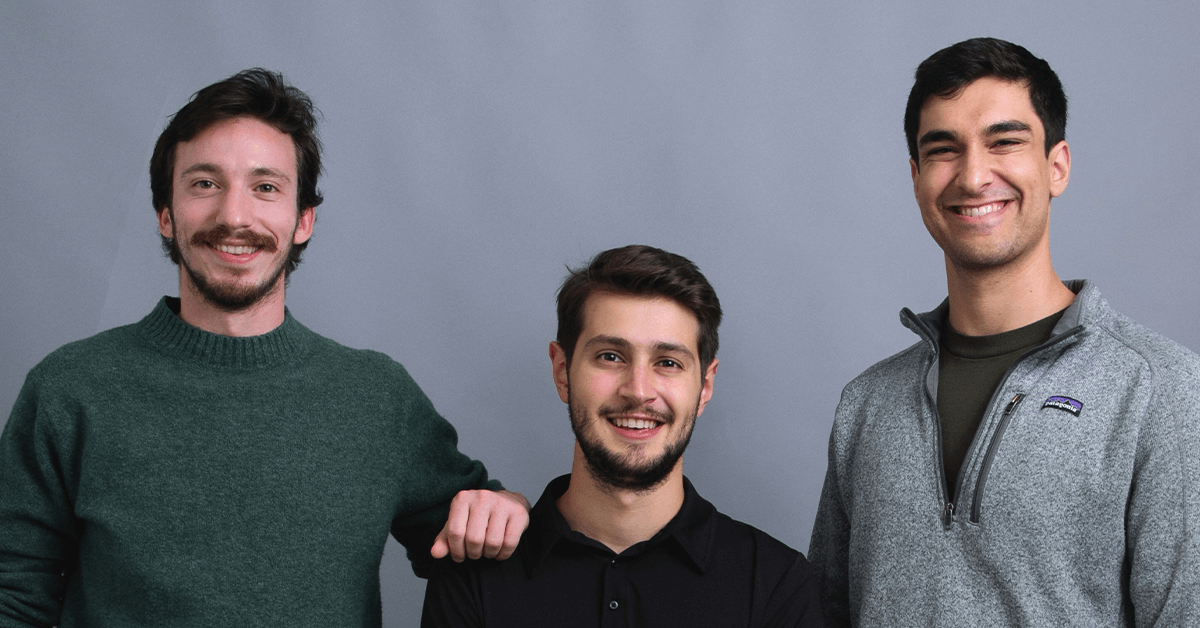
The OpenAI Startup Fund invests $175 million to help AI companies have a profound, positive impact on the world, focusing on early-stage startups in transformative fields like healthcare, law, education, energy, infrastructure, and the sciences. Startups expect OpenAI to provide more than just financial backing—they look for comprehensive infrastructure support. Portfolio companies of partner VCs like Thrive Capital, Sequoia, a16z, Kleiner Perkins, and Conviction Partners receive benefits including free API credits, rate limit upgrades, and access to solutions engineers and technical team members. According to Marc Manara, OpenAI’s head of startups, AI-native companies are now hitting $200 million in annual recurring revenue with product cycles that have shrunk from two-week sprints to single days, demonstrating the rapid acceleration that OpenAI’s infrastructure enables.

Developer Resources and Community Building
Beyond capital, startups expect comprehensive educational and community support from OpenAI. The program offers live virtual sessions covering APIs and models that founders use most, along with cookbooks, demo apps, and learning tracks built specifically for developers. OpenAI provides expert content to help startups spot AI opportunities and scale with confidence, connecting builders through in-person and online events like meetups, webinars, and AMAs. Startups also benefit from OpenAI’s security and privacy foundations trusted by enterprises like Morgan Stanley, Amgen, and BBVA, which signals credibility to customers from day one. This institutional trust becomes a critical asset for startups selling to large enterprises, reducing barriers to customer acquisition.
Specialized Support for Vertical-Specific Applications
Startups are increasingly customizing models for specific tasks in healthcare, finance, and other verticals that previously seemed out of reach, expecting OpenAI to provide guidance on domain-specific implementations. The company has made strategic investments that reflect these specializations—Harvey AI secured $100 million in Series C funding with participation from OpenAI to revolutionize the legal industry through AI, while Speak raised $78 million in a round led by OpenAI Startup Fund to accelerate its AI-driven language learning platform. The fund is particularly focused on empowering founders from underrepresented groups, emphasizing the importance of diversity in the tech industry, while providing strategic support to help portfolio companies navigate the challenges of scaling AI-driven solutions.
Long-Horizon Autonomy and Future Capabilities
Startups building on OpenAI’s platform anticipate support for increasingly ambitious applications. While AI has integrated well with many companies, longer-horizon autonomous tasks remain the next frontier for both models and startups, representing areas where founders expect OpenAI to continue advancing capabilities. The relationship between OpenAI and startups has evolved from simple API access to a comprehensive ecosystem where startups receive exclusive event invitations, direct lines to the Startup team, and continuous updates through newsletters. As product development accelerates to single-day cycles, startups increasingly rely on OpenAI not just for technology but for the strategic partnership, technical expertise, and credibility that enables them to compete in rapidly evolving markets and achieve the kind of explosive growth that defines successful AI-native companies.