

OpenAI reports that it has switched off app suggestion features that looked promotional.
OpenAI disabling app suggestions that looked like advertisements.OpenAI has disabled a ChatGPT feature that recommended third-party applications after paying
OpenAI disabling app suggestions that looked like advertisements.OpenAI has disabled a ChatGPT feature that recommended third-party applications after paying subscribers accused the company of sneaking advertisements into its premium product. The controversy erupted when ChatGPT Plus subscribers began posting screenshots showing promotional messages for brands like Target and Peloton embedded within their AI conversations. One frustrated user shared an image showing Target shopping suggestions appearing while asking about Windows BitLocker, a technical security question unrelated to retail. Chief Research Officer Mark Chen acknowledged the company “fell short” with these promotional messages, stating that anything feeling like an ad needs careful handling.
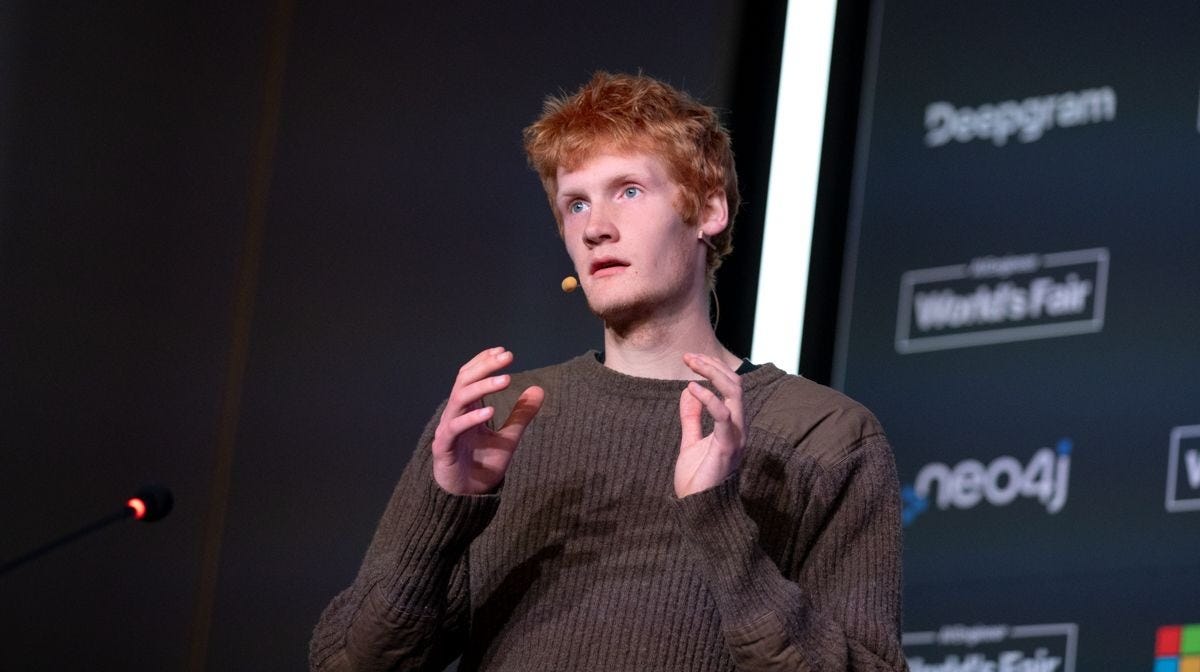
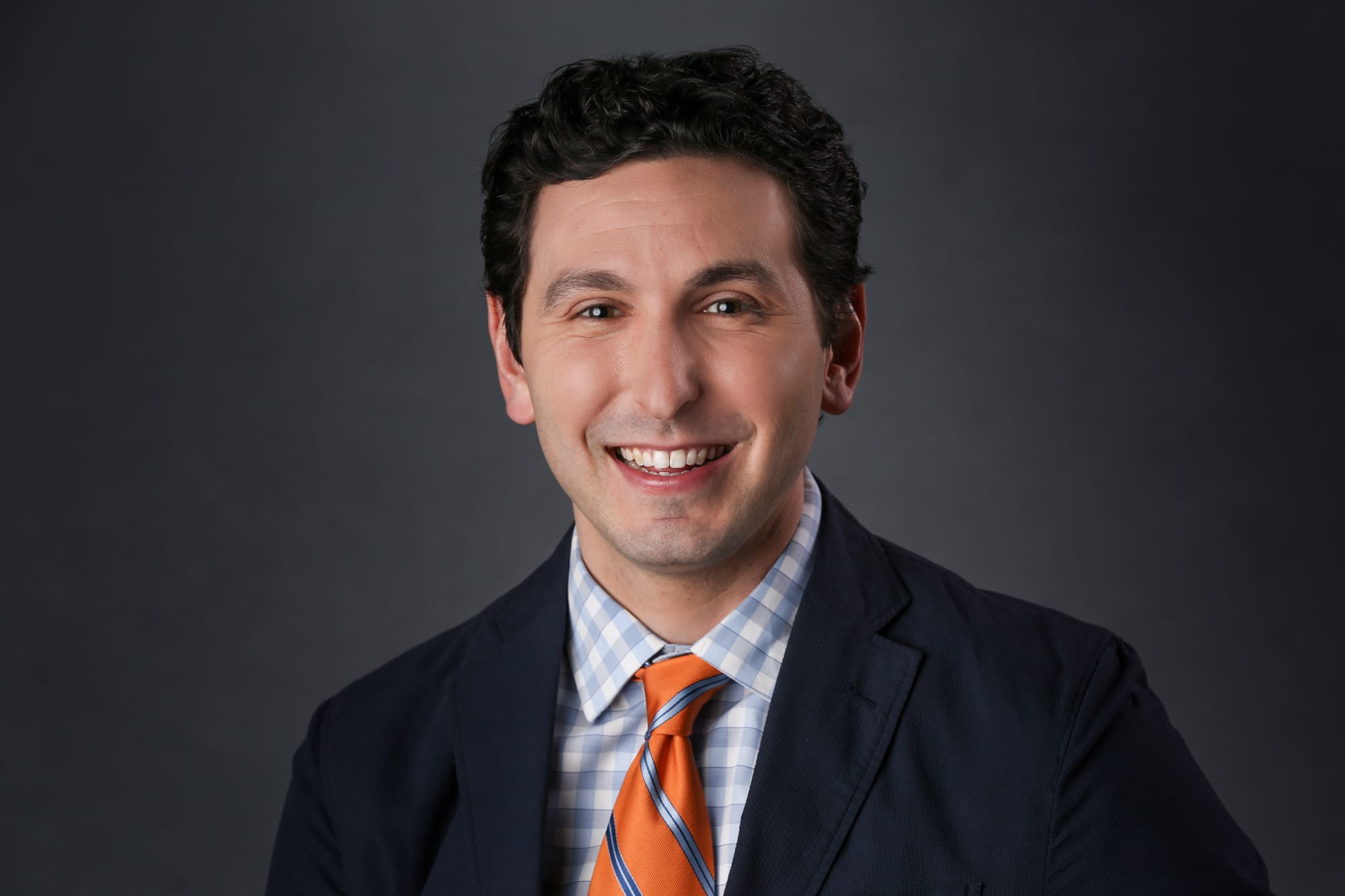
OpenAI insisted the suggestions had no financial component and were only tests for surfacing apps built on the ChatGPT app platform announced in October. OpenAI’s data lead Daniel McAuley clarified that suggestions like the Peloton placement were not ads but acknowledged the lack of relevancy made it a bad and confusing experience. However, the distinction between unpaid app suggestions and advertisements proved largely academic for users, especially since the app suggestions could not be turned off, making them feel more intrusive. Chen announced the company has turned off this kind of suggestion while improving the model’s precision and developing better controls so users can dial down or turn off suggestions if they don’t find them helpful.
The incident highlights OpenAI’s delicate balancing act between monetization and user trust. Earlier this year, former Instacart and Facebook executive Fidji Simo joined OpenAI as CEO of Applications and was widely expected to build the company’s advertising business. However, The Wall Street Journal reported this week that CEO Sam Altman issued a “code red” memo prioritizing work to improve ChatGPT’s quality while pushing back other product initiatives, including advertising. The swift reversal demonstrates how sensitive AI platform users are to perceived commercialization, particularly when they’re already paying monthly subscription fees for what they expect to be an ad-free premium experience.